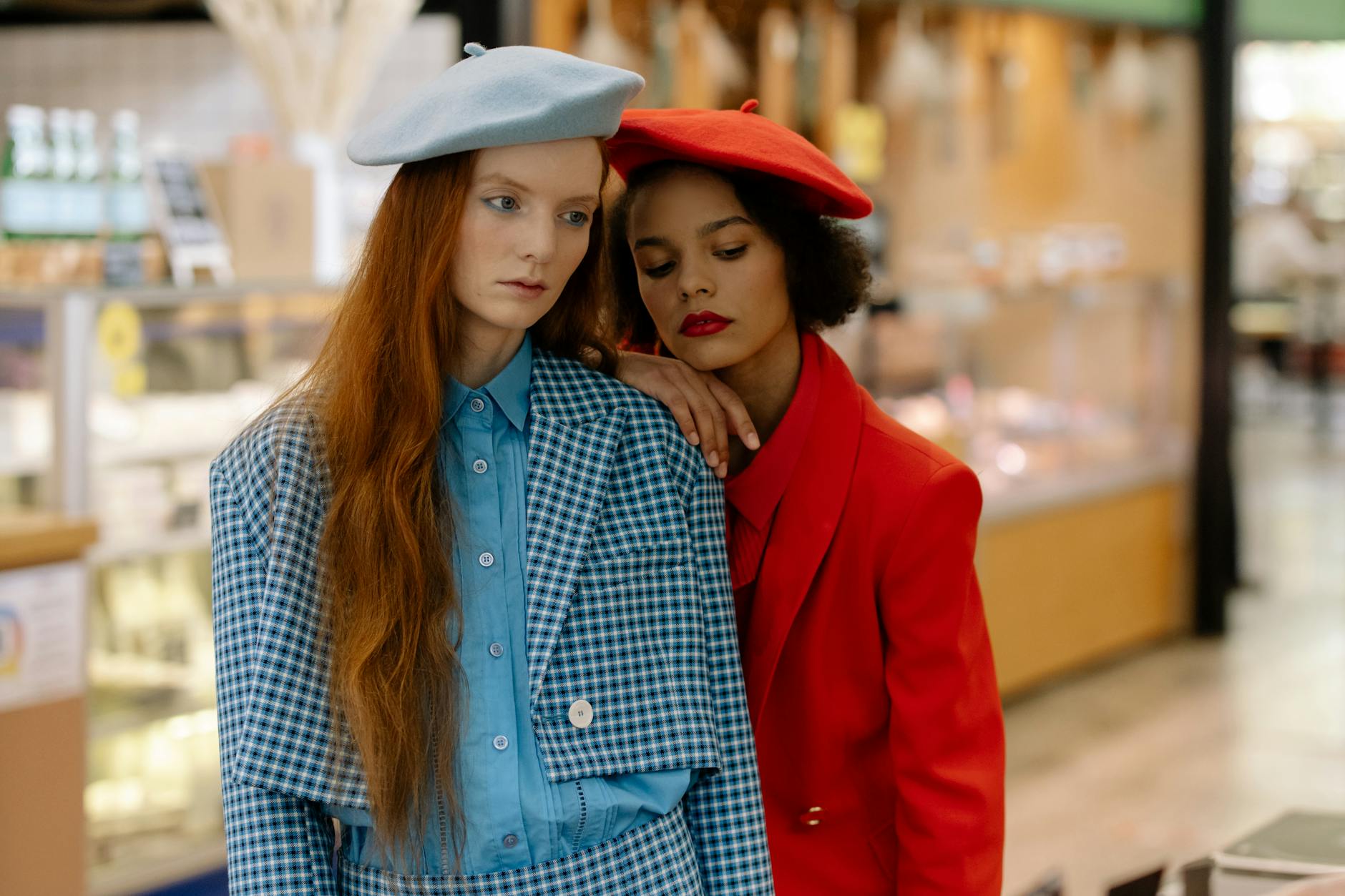
Why Financial Professionals in Australia Should Consider Fashion Investments

Fashion as an Investment
Unconventional Asset Class
When financial professionals like us explore investment avenues, fashion might not make it to our immediate list. Yet, the fashion industry has turned into a viable, even profitable, asset class. For example, a well-chosen floral dress or a high-quality linen dress is not just a seasonal purchase but a piece that can appreciate over time. Investing in timeless and classic items isn't dissimilar to choosing stocks with long-term growth potential.
Historic Returns
Historically, certain fashion items have shown remarkable returns on investment. Luxury goods, including sequin dresses and bespoke suits, have been auctioned for prices significantly higher than their original purchase costs. This trend indicates that fashion investments can offer substantial returns, albeit requiring careful selection and an understanding of market dynamics. It's akin to reading the market trends before making stock market investments.
Appreciation Factors
Several factors contribute to the appreciation of fashion items:
- Brand Reputation: Renowned brands are more likely to appreciate in value.
- Rarity: Limited-edition pieces tend to have higher resale values.
- Condition: Items maintained in pristine condition fetch better prices.
For instance, keeping a linen dress in excellent condition can make it a collector's item, much like maintaining vintage cars or rare art.
Diversification Benefits
Diversifying your investment portfolio is essential for reducing risks, and fashion investments offer unique opportunities to do just that. As a financial professional in North Sydney, you're already familiar with the importance of portfolio balance. By incorporating fashion assets, you can enhance diversification in ways that traditional investments may not cover.
Risk Reduction
Adding fashion items to your investment mix can help mitigate risks associated with more conventional assets like stocks and bonds. The value of items such as designer bags, midi dresses, and luxury watches often remain stable or even appreciate during economic downturns. This dynamic can serve as a buffer against market volatility.
Portfolio Balance
Fashion investments offer a distinctive way to balance your portfolio. As someone deeply involved with investment firms in North Sydney, you know that portfolio balance is about finding assets that do not move in tandem with stock market fluctuations. Incorporating fashion can achieve this, allowing you to spread risk across different asset classes effectively.
Non-Correlated Asset
Fashion investments are non-correlated assets, meaning that their value does not directly align with stock markets or other traditional investment avenues. This characteristic makes them a potent tool for hedging against market downturns. For instance, high-end work dresses from established designers can maintain their value or even appreciate independently of economic trends.
Taking these factors into account, incorporating fashion investments into your portfolio can offer significant diversification benefits. Jobs in the financial sector often focus on risk mitigation and generating stable returns, and fashion assets can contribute effectively toward these goals. By including a variety of non-correlated assets, you can build a more resilient and balanced investment portfolio.
Market Trends
Fashion investments have distinct market trends that can offer lucrative opportunities for financial professionals. If we're taking notes from the bustling professional services sector in Barangaroo, understanding these trends is essential for making informed investment decisions.
Demand Shifts
One of the notable changes in the fashion market is the shift in demand. Today, consumers prioritise comfort and versatility, driving the popularity of adaptable fashion pieces like the maternity dress. This item punctuates the market's lean towards functional and stylish wardrobe staples. Not just limited to expectant mothers, these dresses now appeal to anyone seeking flexible yet elegant clothing options.
Sustainability Influence
Sustainability’s footprint in the fashion world is growing. Brands that advocate for eco-friendly practices are gaining market traction. This isn’t merely about adhering to trends but also acknowledging that green dress options, crafted from eco-friendly materials, are gaining popularity. Financial professionals should therefore consider brands that transparently report their sustainable practices, as these brands attract a loyal customer base.
Global Market Dynamics
Finally, the overall dynamics of the global market have seen significant changes. With advancements in technology, digital fashion is becoming a major player. Innovations such as virtual try-ons and AI-driven fashion recommendations are transforming how consumers shop. As these trends continue to develop, staying ahead by understanding their impact is key. For example, blockchain technology ensures transparency in the supply chain, fostering trust and enhancing the value of fashion investments.
Keeping abreast of these shifts enables financial professionals to confidently navigate the evolving landscape.
Practical Tips
Identifying Valuable Pieces
When it comes to fashion investments, knowing how to identify valuable pieces can make a substantial difference. Look for party dresses and womens tops that feature high-quality fabrics, unique designs, and renowned designers. Vintage pieces and limited-edition items tend to appreciate over time, making them excellent choices for your fashion investment portfolio.
Maintenance and Care
Preserving the quality of your fashion investments is crucial. Proper maintenance not only extends the life of your items but also ensures they retain their value. Here are some practical tips:
- Storage: Use padded hangers for delicate fabrics and sturdy hangers for heavier items like coats.
- Cleaning: Follow the care instructions meticulously to avoid damaging the fabric.
- Repairs: Address minor defects like loose threads or missing buttons promptly to maintain the piece's integrity.
Maintaining your fashion pieces well can be akin to regularly servicing your car, ensuring they remain in top condition for years to come.
Safe Storage Solutions
Safe storage solutions are essential to protect your investments from damage. The proper storage environment can significantly impact the longevity of your fashion pieces.
- Climate Control: Store items in a climate-controlled environment to prevent damage from humidity and temperature fluctuations.
- Protective Covers: Use garment bags to shield clothing from dust and light.
- Organisation: Keep an inventory of your pieces to easily track and manage your collection.
These steps are like securing your digital assets with top-tier cybersecurity measures, ensuring your pieces are as secure as your financial investments.
Considering these tips, not only will you preserve the value of your investments, but you will also enhance their potential for appreciation.
Common Mistakes
Overlooking Wearability
One common error I’ve observed amongst my peers is overlooking the wearability of an investment piece. While uniqueness and rarity often drive value, practicality plays a significant role in determining long-term appreciation. High-demand items such as classic vintage watches or timeless handbags from reputable brands are not only valuable but also maintain their appeal due to their functionality and sophisticated design. Ensuring a balance between aesthetic and usability can safeguard your investment, providing both enjoyment and financial appreciation.
Ignoring Provenance
Another pitfall is neglecting the history or provenance of a fashion item. Knowing the origin and ownership history can significantly impact the value of your investment. Just like tracing a stock's performance, understanding an item's past can reveal much about its future returns. Provenance adds a layer of credibility and uniqueness, akin to a company's brand value, making it essential when evaluating fashion accessories. Always request and verify documentation, such as certificates of authenticity and past ownership records, before committing to a purchase. Authenticity not only boosts the item's market value but also its desirability among collectors.
Disregarding Market Research
Lastly, disregarding market research is a mistake that can severely impact returns. Just as you wouldn't invest in a stock without thorough market analysis, the same diligence should apply to fashion investments. Regularly monitoring trends, auction outcomes, and resale performance will provide a comprehensive understanding of market dynamics. Utilise credible sources and stay updated with industry publications to leverage information effectively. This proactive approach allows you to identify emerging opportunities and avoid overpriced or declining segments within the fashion landscape.
By addressing these common mistakes, you can position yourself to make informed and profitable decisions in the fashion investment sector.